
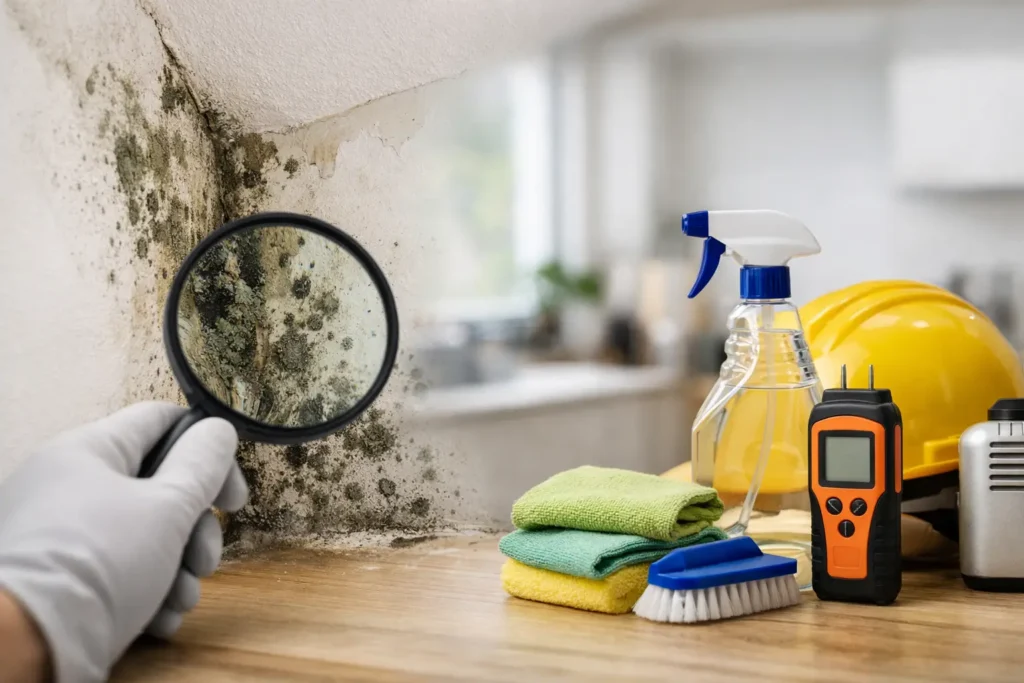
A musty odor in a restroom, a dark spot near an AC vent, or bubbling paint below a window is rarely just a cosmetic issue. Mold is usually a visible sign that moisture has been allowed to stay where it does not belong. Knowing how to prevent mold growth starts with controlling that moisture before a small maintenance concern becomes a repair, cleaning, or indoor air quality problem.
For property owners and facility teams, prevention is more cost-effective than repeated cleanup. Mold can damage finishes, affect tenant comfort, interrupt operations, and point to hidden plumbing, HVAC, roofing, or drainage failures. The most reliable approach combines regular inspections, fast repairs, proper ventilation, and disciplined cleaning.
How to Prevent Mold Growth by Controlling Moisture
Mold needs moisture, a surface to grow on, and time. While it is impossible to remove every mold spore from a building, it is possible to make conditions far less favorable for growth. The priority is not simply spraying a visible patch. The priority is finding out why that area stayed damp.
Start by identifying moisture-prone locations. Bathrooms, kitchens, laundry rooms, basements, storage rooms, mechanical rooms, window perimeters, ceilings below bathrooms, and areas around HVAC equipment deserve regular attention. In commercial properties, also inspect janitor closets, pantries, restrooms, server rooms, loading areas, and any space where pipes run above ceilings or behind walls.
Humidity should be managed consistently. Indoor humidity that remains high can create condensation on cold walls, windows, ducts, and pipes. In many properties, maintaining indoor relative humidity around 30% to 50% helps reduce the risk. The right setting depends on local weather, occupancy, building design, and the capability of the HVAC system, but persistent condensation is always a reason to investigate.
Use exhaust fans in bathrooms and kitchens, and confirm that they vent outdoors rather than into an attic or ceiling void. A fan that is noisy but not extracting air is not protecting the room. For homes, run it during showers and for a period afterward. For offices, retail spaces, and managed buildings, include ventilation checks in the routine maintenance schedule.
Repair Leaks Without Delay
A slow leak can create mold long before it creates a dramatic flood. Check under sinks, around toilets, behind washing machines, at water heaters, near dishwashers, and beneath HVAC drain lines. Look for rusted fittings, stained cabinetry, damp drywall, loose flooring, peeling paint, and unexplained odors.
Roof leaks and failed window seals require the same urgency. Water entering through a roof, façade, or window may travel some distance before appearing indoors, which makes the visible stain an unreliable guide to the source. Repair the entry point, dry the affected materials, and inspect nearby cavities if moisture may have been trapped.
After a leak or overflow, drying must begin quickly. Wet carpets, drywall, insulation, ceiling tiles, and wood materials can support mold growth if they remain damp. Fans and dehumidifiers may be enough for a minor, contained incident, but larger water events often require professional assessment to confirm that hidden moisture has been removed.
Build Mold Prevention Into Daily Operations
The most effective mold control program is practical and repeatable. It should not depend on someone noticing a problem only after discoloration appears. Property managers can include moisture checks in routine inspections, while homeowners can build them into weekly cleaning and monthly maintenance habits.
Keep wet areas clean and dry. Wipe standing water from counters, shower walls, sink rims, and floors. Avoid leaving damp towels, mops, rugs, or cleaning cloths in poorly ventilated spaces. In shared facilities, cleaning staff should report recurring wet floors, dripping fixtures, blocked drains, and persistent odors instead of treating them as routine housekeeping issues.
Clutter also affects prevention. Boxes, furniture, and stored materials pressed tightly against exterior walls can reduce airflow and hide condensation or leaks. Leave some space around walls in storage rooms and avoid storing cardboard, fabric, or paper products directly on basement or utility-room floors. Use shelving where practical, especially in areas with a history of dampness.
Maintain HVAC and Drainage Systems
HVAC systems play a major role in moisture control. Dirty filters, blocked condensate drains, poor airflow, oversized equipment, or poorly balanced zones can leave rooms humid or create water around air handlers. AC drain pans and condensate lines should be inspected and cleaned regularly, particularly during periods of heavy cooling demand.
Air vents should remain open and unobstructed unless a qualified technician recommends otherwise. Closing too many vents can disrupt air circulation and create uneven temperatures, increasing the chance of condensation in certain rooms. If one area of a building always feels damp, warm, or stale, it may need an HVAC assessment rather than another air freshener.
Outdoor drainage matters as well. Gutters, downspouts, roof drains, and grading should move water away from the structure. Water that pools near a foundation can increase dampness in basements, crawl spaces, and lower-level walls. For commercial sites, regular inspection of roof drains and exterior drainage channels is especially important before and during heavy rain seasons.
Use the Right Cleaning Response
Cleaning visible mold without addressing the moisture source only delays its return. For small spots on hard, nonporous surfaces, clean the area using an appropriate household or commercial cleaner, then dry it completely. Wear gloves and ensure good ventilation. Do not mix cleaning chemicals, and do not assume that stronger chemicals solve a moisture problem.
Porous materials require more judgment. Moldy ceiling tiles, carpeting, insulation, upholstered items, and heavily affected drywall may need removal because mold can grow below the surface. The correct response depends on the size of the affected area, the material involved, how long it has been wet, and whether there is a vulnerable occupant or a business continuity concern.
Do not paint over stains until the source has been repaired and the surface is dry. Paint may temporarily hide discoloration, but trapped moisture can continue damaging the material underneath. If staining returns, the original cause was not fully resolved.
Pay Attention After Construction or Renovation
Newly renovated spaces can develop mold problems when wet materials are enclosed too early or construction dust blocks HVAC components. Verify that drywall, flooring substrates, sealants, and paint are fully cured and dry before final installation. Inspect plumbing connections, roof penetrations, window seals, and AC drainage after fit-out work is complete.
Post-construction cleaning should include more than removing dust from visible surfaces. It should also verify that vents, drain pans, floor drains, and moisture-prone corners are clear and functioning correctly. This is particularly valuable before a new tenant moves in or a commercial space opens for business.
Know When Professional Support Is Needed
A recurring musty smell, repeated mold in the same location, widespread staining, or water damage inside walls or ceilings calls for a more thorough inspection. The same applies when mold follows a major leak, sewage backup, storm damage, or HVAC failure. The visible area may be smaller than the actual problem.
Integrated maintenance support can make the process faster because the issue may involve more than cleaning. A plumbing repair may be needed to stop a leak, HVAC work may be required to correct humidity, civil work may be needed to restore damaged finishes, and deep cleaning may be required once the area is safe and dry. Maxa Technical Services LLC can coordinate these related property maintenance needs through one point of contact, helping reduce delays between diagnosis, repair, and restoration.
The best time to prevent mold is when the first drip, odor, or condensation mark appears. Treat moisture as a maintenance signal, respond early, and keep the building dry enough that mold never gets the time it needs to settle in.