
A leaking pipe rarely starts as an emergency. An HVAC unit does not usually stop cooling without warning. A loose electrical connection, blocked drain, worn door closer, or damaged seal often gives small signs before it becomes a costly disruption. That is why preventive maintenance is important for any property owner or facilities team responsible for keeping a building safe, comfortable, and operational.
Preventive maintenance means inspecting, servicing, cleaning, adjusting, and replacing components before they fail. Instead of waiting for a tenant complaint, equipment breakdown, or visible damage, the property follows a planned schedule based on the condition and use of its systems. For homes, offices, retail spaces, and industrial facilities, this approach turns maintenance from a repeated emergency into a managed operating process.
Why Is Preventive Maintenance Important for Cost Control?
Reactive repairs can appear less expensive because there is no scheduled work until something goes wrong. In practice, the repair bill is only one part of the cost. A failed air conditioning unit can interrupt business operations, create occupant complaints, affect stored products, and require urgent labor or replacement parts. A plumbing leak can damage ceilings, flooring, furniture, and adjacent units before the source is even identified.
Planned maintenance helps identify issues when the scope is smaller. Cleaning AC filters and coils can reduce strain on equipment. Checking pumps, valves, and drainage lines can prevent water damage. Inspecting electrical panels and connections can reveal overheating risks before they cause equipment failure or a safety incident.
The savings depend on the property and equipment condition. A newer, lightly used building may need a simpler schedule than a high-traffic commercial site. However, every property benefits from knowing which assets require attention, what work has been completed, and what repairs should be budgeted before they become urgent.
Fewer Breakdowns Mean Better Operations
Facility problems affect more than the maintenance team. They affect everyone using the building. When lighting fails in a retail area, air conditioning stops in an office, or a washroom is out of service, occupants notice immediately. For landlords and property managers, repeated failures can also affect tenant confidence and renewal decisions.
Preventive maintenance reduces unexpected downtime by keeping critical systems under regular observation. HVAC equipment, plumbing fixtures, electrical systems, pumps, doors, access points, and common-area finishes all have components that wear down over time. Scheduled checks allow technicians to spot performance changes, such as unusual noise, reduced airflow, slow drainage, vibration, corrosion, or repeated tripping.
This does not mean every failure can be prevented. A sudden storm, a power surge, accidental damage, or an aging component can still create an urgent need. The practical advantage is that a maintained property has fewer surprises, clearer service records, and a faster response path when an issue does occur.
Safety Is a Core Reason for Preventive Maintenance
Many maintenance concerns begin as comfort or appearance issues but can become safety risks when ignored. Water around electrical equipment, overloaded circuits, damaged outlets, poor ventilation, loose handrails, cracked walkways, and blocked emergency access points all require timely attention.
Regular inspections help property teams address these conditions before they affect occupants, staff, visitors, or contractors. This is especially relevant in buildings with public access, active work areas, kitchens, equipment rooms, or multiple tenants. A clean, well-maintained environment also supports better hygiene and reduces the likelihood of pests, odors, mold growth, and sanitation concerns.
For facilities managers, safety-focused maintenance should not be limited to major equipment. Small civil works, door hardware, flooring transitions, restroom fixtures, exterior drainage, and landscape areas can create avoidable hazards if they are not included in the maintenance plan.
Equipment Lasts Longer When It Is Maintained
Building equipment is a significant investment. Replacing an HVAC unit, water pump, electrical component, or major plumbing line before the end of its usable life can put unnecessary pressure on operating budgets. Maintenance cannot make equipment last forever, but it can help it perform closer to its expected service life.
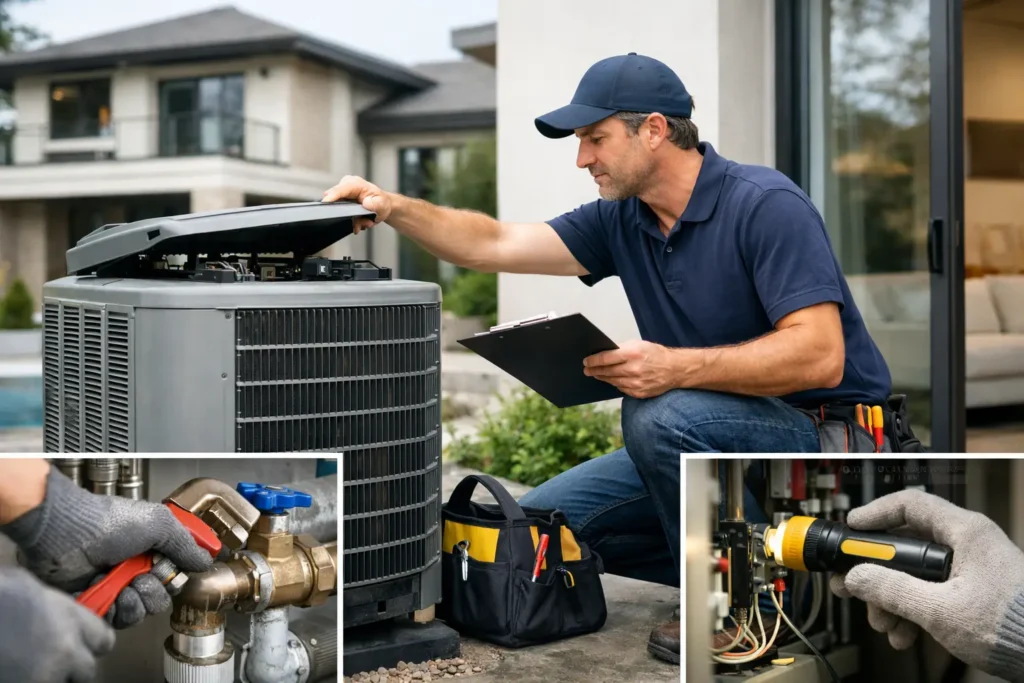
For example, HVAC systems need clean filters, clear condensate drains, properly functioning controls, and periodic inspection of moving parts. Plumbing systems need leak checks, drainage cleaning, and attention to pressure issues. Electrical systems require inspection for loose connections, damaged wiring, overloaded circuits, and worn components.
Ignoring routine service often forces equipment to work harder. That can increase energy use, reduce performance, and accelerate wear. In contrast, a planned approach gives decision-makers better information about whether an asset should be repaired, upgraded, or replaced. This is far more manageable than making a high-cost decision during an emergency.
Preventive Maintenance Improves Energy Efficiency
Higher utility bills can be a maintenance warning sign. Dirty filters, leaking ductwork, poorly performing AC units, inefficient lighting, faulty controls, and water leaks all contribute to unnecessary consumption. These issues may not stop operations, but they can quietly increase monthly costs.
Routine maintenance helps systems operate as intended. Technicians can identify airflow restrictions, thermostat concerns, worn seals, water waste, or equipment running outside normal conditions. In commercial properties, where systems operate for long hours and serve many occupants, even small efficiency improvements can have a meaningful effect over time.
Energy savings should be viewed realistically. Results vary based on equipment age, occupancy, operating hours, building design, and local weather. The more consistent benefit is visibility: preventive maintenance helps reveal where resources are being wasted and where corrective work will produce the best return.
A Single Maintenance Plan Reduces Vendor Coordination
Property maintenance becomes difficult when separate vendors are called only after separate problems occur. One contractor handles a plumbing issue, another is needed for electrical work, a third manages cleaning, and another is contacted for civil repairs. The result can be delayed communication, inconsistent workmanship, duplicated visits, and unclear responsibility.
An integrated maintenance program simplifies this process. A single point of contact can coordinate technical services, cleaning, handyman work, and minor repairs around the property’s operational needs. This is particularly useful for property managers responsible for multiple units or sites, where tracking separate contractors and invoices can become a daily administrative burden.
Maxa Technical Services LLC supports this model by providing coordinated maintenance across HVAC, plumbing, electrical, civil works, cleaning, sanitization, and fit-out support. A planned service arrangement gives clients a clearer view of their property condition while making it easier to arrange follow-up work before small issues become major disruptions.
How to Build a Practical Preventive Maintenance Schedule
A useful plan starts with the assets that would cause the greatest disruption if they failed. For most properties, this includes HVAC equipment, electrical panels, water supply and drainage systems, pumps, common-area lighting, restrooms, doors, and safety-related fixtures. The schedule should also account for cleaning needs, exterior conditions, and high-use areas.
The right frequency depends on the system. Filters and drains may require monthly attention, while other inspections may be quarterly, seasonal, or annual. High-traffic properties generally need more frequent checks than lightly occupied spaces. A restaurant, clinic, retail store, warehouse, and residential villa should not follow the same checklist.
Keep records of inspections, completed repairs, recurring concerns, and recommended replacements. These records make budgeting easier and help reveal patterns, such as a unit that repeatedly leaks or equipment that requires frequent callouts. They also help ensure that maintenance is based on actual property needs rather than assumptions.
A free inspection is often the best first step when there is no current maintenance plan. It creates a baseline, identifies urgent concerns, and helps prioritize work by safety, operational impact, and cost.
The best time to address a building problem is when it is still small, planned, and easy to control. A preventive maintenance plan gives your property that advantage – keeping occupants comfortable, protecting assets, and allowing your team to focus on operations instead of the next emergency.