
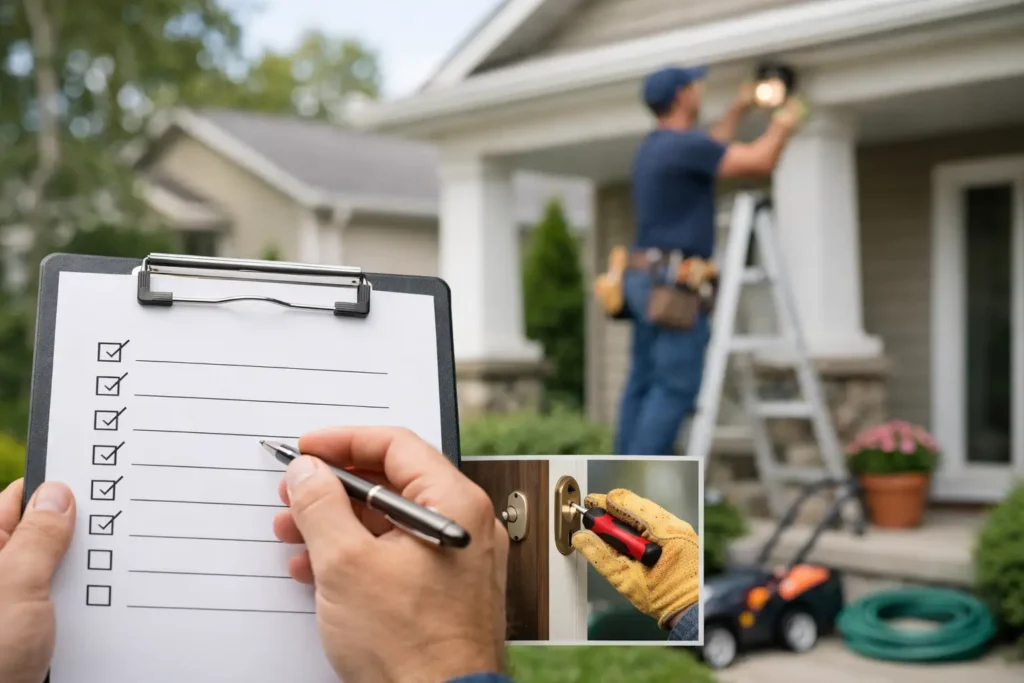
A leaking water heater, tripped breaker, or failing air conditioner rarely becomes urgent overnight. Most expensive home repairs begin as small warning signs that are missed during busy weeks. A practical residential property maintenance checklist gives owners, landlords, and property managers a clear way to identify issues early, schedule the right work, and protect the value of the property.
The right schedule depends on the age of the home, local weather, occupancy, and the condition of major systems. A newer home may need fewer repairs, but it still needs regular inspection. Older properties often require closer attention to plumbing connections, electrical components, roof surfaces, seals, and HVAC equipment.
Start With a Maintenance Record
Before assigning tasks, create a simple property record. Keep dates for inspections, repairs, appliance servicing, filter changes, warranty details, and contractor reports. This prevents repeated guesswork and makes it easier to see when an issue is becoming recurring rather than isolated.
For rental homes, maintenance records also support clearer communication between landlords, tenants, and service providers. If a tenant reports low water pressure or an AC problem, the property manager can quickly check when the system was last inspected and what work has already been completed.
A good record should include the location of shutoff valves, electrical panels, outdoor drainage points, and key equipment such as water heaters and HVAC units. In an emergency, that information saves time.
Monthly Residential Property Maintenance Checklist
Monthly checks are short, but they catch many of the issues that turn into service calls. Walk through the interior and exterior with a practical focus: water, power, cooling and heating, safety, and visible damage.
Check plumbing and water areas
Inspect under kitchen and bathroom sinks for drips, staining, corrosion, or swollen cabinet material. Test faucets, toilets, shower drains, and water pressure. Slow drainage may indicate hair buildup or a developing blockage, while a toilet that runs continuously can waste a significant amount of water.
Look around the water heater for moisture, rust, unusual sounds, or changes in water temperature. Do not ignore small leaks. Water can damage flooring, cabinetry, drywall, and nearby electrical components before it becomes visible in living areas.
Review electrical and safety items
Test smoke alarms and carbon monoxide detectors. Replace batteries when needed and replace devices that are past their manufacturer-recommended service life. Check that electrical outlets, switches, and breaker panels show no signs of heat damage, burning smells, loose covers, or repeated tripping.
Avoid treating recurring breaker trips as a minor inconvenience. They can point to an overloaded circuit, damaged appliance, loose connection, or electrical fault that needs professional assessment.
Monitor HVAC performance
Replace or clean HVAC filters based on the system requirements and household conditions. Homes with pets, high dust levels, or frequent use may need more frequent filter changes. Listen for rattling, vibration, poor airflow, or unusual cycling, and check that supply and return vents are not blocked by furniture.
A dirty filter is inexpensive to replace, but leaving it in place can reduce comfort, increase energy use, and place unnecessary strain on the equipment.
Seasonal Maintenance Keeps Small Issues Under Control
Seasonal maintenance should be planned before temperatures become extreme. This is where preventive work has the greatest value, especially in areas with hot summers, cold winters, storms, or heavy rainfall.
Spring: inspect drainage, exterior surfaces, and cooling systems
Check gutters, downspouts, roof edges, and drainage paths for leaves, sediment, and standing water. Water should move away from the foundation, not collect near exterior walls. Inspect windows, doors, siding, and exterior seals for cracks that may allow moisture or air leakage.
Schedule an HVAC inspection before cooling demand rises. A technician can clean critical components, inspect electrical connections, check refrigerant performance where applicable, and identify worn parts before a breakdown occurs during peak season.
Spring is also a good time to inspect fences, gates, walkways, decks, and outdoor lighting. Loose pavers, damaged handrails, and poor lighting create safety risks that should not wait.
Summer: protect cooling, plumbing, and landscaping
During warm weather, keep outdoor HVAC units clear of debris and vegetation. Do not place storage items against the unit or restrict airflow around it. Check irrigation systems for broken heads, leaks, overspray, and areas of pooling water.
Inspect exterior hose connections and make sure water is not entering walls or pooling near the foundation. If the property is vacant for part of the summer, arrange periodic walkthroughs. Unnoticed leaks and AC failures can become more expensive when no one is present to report them quickly.
Fall: prepare the property for rain and cold weather
Clear gutters again and inspect the roof for damaged shingles, flashing issues, or blocked drainage. Check weatherstripping around doors and windows, particularly in homes with noticeable drafts or rising utility bills.
Service the heating system before the first sustained cold period. This is also the time to inspect fireplaces, chimneys, and ventilation systems where applicable. Never postpone professional attention if you smell gas, notice soot buildup, or experience poor indoor air quality.
Winter: focus on safety and moisture control
Inspect exposed pipes in unheated spaces and make sure they are properly protected. Monitor indoor humidity and watch for condensation on windows, mold growth, or musty odors in bathrooms, basements, and closets.
After major storms, inspect the property for roof leaks, fallen branches, damaged exterior fixtures, and standing water. Immediate action is usually less costly than waiting for a minor water intrusion to damage ceilings, insulation, or wall finishes.
Annual Checks That Need Professional Support
Some tasks require specialized tools, technical knowledge, or safety procedures. Annual professional inspections help identify risks that are not obvious during a visual walkthrough.
A yearly maintenance plan should cover these key areas:
- HVAC servicing, including system cleaning, performance testing, and inspection of controls and electrical connections.
- Plumbing inspection for concealed leaks, water heater condition, drainage concerns, and pressure-related issues.
- Electrical inspection when there are older panels, frequent breaker trips, renovations, or added high-load equipment.
- Roof and waterproofing inspection, especially after severe weather or where prior leaks have occurred.
- Deep cleaning of high-use areas, ducts where appropriate, exterior surfaces, and post-repair spaces that collect dust and debris.
Not every home needs the same level of service. A single-family home with mature landscaping may need more outdoor and irrigation attention, while an apartment may require closer coordination with building management for shared systems. The goal is not to perform unnecessary work. It is to match the inspection plan to real property risks.
Prioritize Repairs by Risk, Not Appearance
Property owners often address visible cosmetic issues first because they are easy to notice. A scuffed wall or loose cabinet handle may matter, but water leaks, electrical faults, drainage failures, and HVAC problems deserve priority because they can cause wider damage or create safety concerns.
Use three categories when organizing work. Urgent items include active leaks, electrical hazards, gas smells, blocked drains, loss of cooling or heating in extreme weather, and unsafe walkways. Preventive items include servicing equipment, resealing joints, cleaning drains, and replacing worn weatherstripping. Cosmetic items include paint touch-ups, minor finish repairs, and non-critical upgrades.
This approach helps owners control maintenance budgets without ignoring serious risks. It also gives tenants and onsite teams a clearer process for reporting issues.
When an Annual Maintenance Contract Makes Sense
Coordinating separate plumbing, electrical, HVAC, handyman, cleaning, and civil contractors can create delays and inconsistent records. For owners managing multiple units, rental homes, or large residences, an annual maintenance contract can simplify scheduling and create better continuity of service.
A centralized provider can maintain service history, plan inspections, respond to urgent issues, and coordinate multiple trades when one repair affects another. For example, a water leak may require plumbing repair, ceiling restoration, electrical safety checks, and deep cleaning. Managing those services through one point of contact reduces the administrative burden.
Maxa Technical Services LLC provides integrated maintenance support across technical, cleaning, and property upkeep requirements, helping clients organize both planned work and responsive service calls.
A checklist is only useful when it leads to action. Set inspection dates, document what you find, and address safety or water-related problems before they spread. Consistent maintenance protects more than the building – it protects the people who rely on it every day.